


From Pupil Voice to Positive Playtimes: How Dingle Community Primary School Is Transforming Lunchtimes
POSITIVE PLAYTIMES RISING STARS
Celebrating schools creating happier, harmonious and inclusive playtimes.
What happens when a school invests in a structured approach to improving playtimes, listens to its children and empowers staff with the right training and support?
At Dingle Community Primary School, engaging with Therese Hoyle and the Positive Playtimes Programme has helped transform the school`s approach to lunchtimes, creating more active, engaging and inclusive opportunities for play.
Following structured pupil consultation, playground planning, two days of Positive Playtimes training and the introduction of practical playground initiatives, school leaders reported encouraging reductions in behaviour and first aid incidents.
Now working towards the Positive Playtime Award, Dingle is one of our inspiring Positive Playtimes Rising Stars, demonstrating what can be achieved when a school commits to transforming playtimes through a whole-school approach.

It All Starts with Listening: Positive Playtimes Questionnaires and Pupil Voice

One of Dingle Community Primary School`s core values is that `Every Child Has a Voice`.
As part of the preparatory work for the Positive Playtimes Programme, the school used Positive Playtimes questionnaires and pupil consultation activities to understand children`s existing playtime experiences and identify areas for improvement.
The findings revealed that many pupils felt there wasn`t enough to do at playtime and that they wanted more exciting activities.
To explore this further, the school worked with a class that had recorded the highest number of lunchtime behaviour incidents.
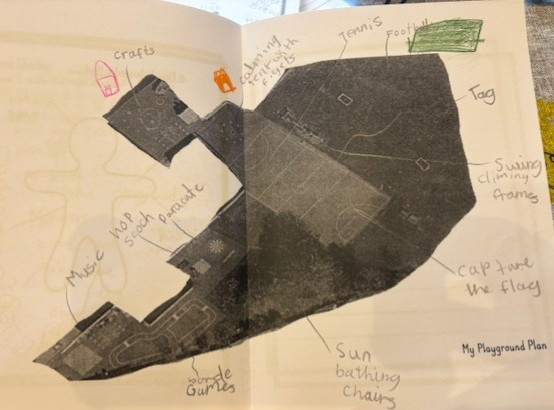
Children were encouraged to imagine what a positive playtime could look like, share their ideas through drawings and discussions, and consider how everyone could make positive choices at lunchtime.
This work also supported the school`s Rights Respecting Schools approach, particularly Article 31 of the UN Convention on the Rights of the Child, which recognises children`s right to play, rest and leisure.

Using the children`s ideas, the school developed playground and dining hall charters, helping pupils understand how they could contribute to a happier, more respectful environment.


This initial consultation was an important part of the Positive Playtimes approach: understanding what children need before deciding what needs to
change.
From Consultation to Action: Redesigning the Playground
Building on the Positive Playtimes preparatory work, Dingle began planning practical improvements to its playground.
Pupils helped identify different playground zones, develop a wish list of equipment and suggest activities they would enjoy.
They even wrote persuasive letters to their Headteacher explaining why playtimes mattered and why investing in playground resources was important!
The resulting playground plan included opportunities for football, sport, creative activities, movement, music, calmer play and free-flow activities.
By introducing different zones and a greater variety of play opportunities, the school was able to respond directly to the needs and interests identified through its pupil consultation.
This approach reflects a key principle of Positive Playtimes: creating inclusive playground environments that offer choice, encourage participation and help every child feel they belong.

Three Days of Positive Playtimes Training: Empowering Staff and Children
An important turning point in Dingle`s journey was its investment in specialist Positive Playtimes training.
Therese Hoyle, founder of Positive Playtimes, delivered three days of training and support, helping the school turn its initial consultation and planning into practical changes across its playtimes and lunchtimes.
Training for lunchtime supervisors and Learning Support Practitioners focused on purposeful play, positive relationships, practical playground games and restorative approaches to managing everyday challenges.
The emphasis on restorative practice was particularly important for Dingle, aligning
closely with the school`s inclusive values and its commitment to developing children`s social and emotional skills.
Through the Positive Playtimes Programme, staff gained practical approaches and a
wider repertoire of playground games to encourage participation, support friendships and provide more engaging play opportunities.
The school also introduced two popular Positive Playtimes initiatives: Game of the Week and Craze of the Week.


These provided fresh activities for children to enjoy and gave staff a clear focus for encouraging positive, purposeful play.
When Dingle CPS officially launched its Positive Playtimes Programme with children and parents, marking an exciting new chapter for the school, one Lunchtime Supervisor shared:
“Playtimes are so much more active. Children are engaged and I like having a set activity to organise”.

The Impact: More Active Playtimes and Fewer Behaviour Incidents
The school reported an almost immediate positive response following the introduction of its Positive Playtimes Programme.
Children became more engaged and motivated during lunchtimes, while school leaders observed reductions in both behaviour and first aid incidents.
The excitement surrounding the new activities was clear. Children began asking about the latest crazes, suggesting their own activities and even requesting a special tidy-up song!
With Therese`s support, staff and pupils also developed a wider repertoire of games, which children increasingly began initiating independently during playtimes and Golden Time.
These are particularly encouraging outcomes because they demonstrate how children were beginning to take ownership of their play.

The Positive Playtimes Difference at Dingle
-
- More active and engaging playtimes: Children became more motivated to participate in playground activities.
- Improved behaviour: School leaders reported reductions in lunchtime behaviour incidents.
- Fewer first aid incidents: The school also observed a reduction in recorded first aid incidents.
- Greater independence: Children began initiating and organising games themselves.
- More inclusive opportunities: Playground zoning and a wider choice of activities created more opportunities for children to join in.
- Empowered lunchtime staff: Staff gained practical games, restorative approaches and increased opportunities to support positive play.
These improvements followed the school`s structured programme of consultation, planning, staff training and practical implementation, showing the value of combining specialist support with a committed school team.
Keeping Positive Playtimes Alive Every Day
One of the strengths of the Positive Playtimes Programme is that it provides schools with practical approaches that can become part of everyday school life.
At Dingle CPS, a pupil Change Team helps introduce the weekly Game of the Week, Craze of the Week and playground expectations.

These are displayed on the school`s dedicated Positive Playtimes noticeboard and outdoor displays, helping keep activities fresh and positive expectations visible.
The school has also introduced playground rules, restorative conversation prompts and a Buddy Bench to help promote kindness, friendship and positive relationships.

Together, these initiatives help reinforce the training and ensure that Positive Playtimes becomes an ongoing part of the school`s culture rather than a one-off initiative.
Playground PALS: Developing Young Leaders

Pupil leadership is another important element of Dingle`s Positive Playtimes journey.
Following training with Therese, the school has been developing its Playground PALS, empowering pupils to help others join games, build friendships and manage everyday disagreements positively.
One proud Playground PAL shared:
“I felt so proud to be awarded a Playground Pal. I want to help the younger children to play together and I want to help them to be fair, share and manage conflicts.”
What a wonderful reflection of the values behind Playground PALS!
Recognising children for their contributions helps build confidence, responsibility, kindness and a stronger sense of belonging.
Dingle CPS has also introduced Dingle Diners, a group of pupils who help in the dining hall, support younger children and contribute to a positive lunchtime environment.
Celebrating Positive Behaviour: Golden Tickets and Recognition
Building on the positive behaviour approaches developed through its Positive Playtimes journey, Dingle has introduced additional ways to recognise and celebrate children`s positive choices.
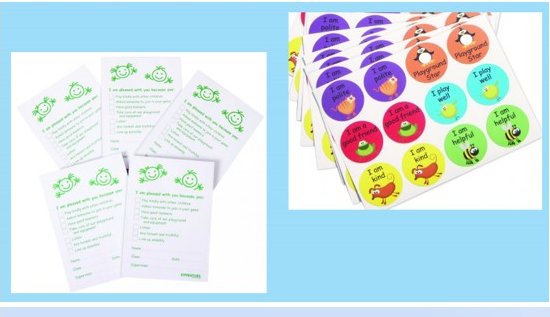
Children can earn green playtime reward slips and reward stickers (available from Positive Playtimes), while one pupil from each class receives a weekly Golden Ticket.
The lucky recipients enjoy lunch with a friend at a special Golden Table, complete with golden cutlery and a golden placemat!
These celebrations help reinforce kindness, responsibility and positive relationships, extending the school`s approach beyond the playground and into the dining hall.

What`s Next? Working Towards the Positive Playtime Award
Dingle Community Primary School is continuing its journey towards achieving the Positive Playtime Award.
Having established new playground routines, trained staff, introduced inclusive play opportunities and developed pupil leadership, the school is now focusing on strengthening its wet playtime provision.
Further feedback from children, staff and parents will help the school review progress, embed successful approaches and identify its next priorities.
Dingle`s experience demonstrates that transforming playtimes isn`t simply about buying equipment or introducing a few new games.
It is about investing in a structured, whole-school approach: listening to children, equipping adults with practical skills, creating inclusive opportunities for play and continually reviewing what works.
We are delighted to celebrate Dingle Community Primary School as one of our Positive Playtimes Rising Stars and look forward to supporting the school as it continues towards achieving the Positive Playtime Award.
Congratulations to everyone at Dingle Community Primary School!
Could Your School Be Our Next Positive Playtimes Rising Star?
Every child deserves a happy, harmonious and inclusive playtime where they feel safe, connected and that they belong.
The Positive Playtimes Award Programme, founded by Therese Hoyle, helps schools transform their playtimes through a structured approach that includes pupil consultation, playground planning, practical staff training, pupil leadership and ongoing implementation support.
Whether your school is experiencing challenging lunchtime behaviour, limited play opportunities, difficulties with friendships or a need for more confident playground supervision, we can help you develop an approach that works for your school.
Discover how Positive Playtimes can help your school create lasting improvements, one playground at a time.
Visit Positive Playtimes or contact us for more information at support@positive-playtimes.com