*
Why we need Circle Time*
After a challenging few years of Covid 19 we all know that wellbeing has suffered. In the current climate we need proactive systems that can support our children.
Circle Time is a proven method for building social, emotional and mental wellbeing, pro social behaviour skills and emotional literacy. It is an empowering whole school system that I highly recommend.
What is Circle Time?
The Circle Time Programme, provides for the spiritual, moral, social and emotional development of students by developing a caring ethos, encouraging democratic values, positive relationships and behaviour, self-discipline, self-esteem and motivation.
In many schools Circle Time is used as an ongoing programme for building social skills where children can problem solve and support one another. It’s a time where they also play games and have fun as well as discuss more challenging issues.
I am a huge advocate of Circle Time after having a very challenging class early in my teaching career – it was the one system that really made the difference, it gave my children a voice, helped them to problem solve and develop empathy; it also reminded me why I went into teaching.
Because of the many benefits, I trained and worked with many Circle Time and behaviour management experts all over the world, including Jenny Mosley and George Robinson and Barbara Maines, and have for the last 25 years been training others.
My Powerfully Positive Playtime Masterclass includes Circle Time training because I believe it is important that children have a voice about playtimes and I want them to know that we care and will listen to their ideas and support them with any of their playtime problems.
Playtime Problems
I have just spent much of the last term in schools all over the country running Positive Playtime and Flourishing Schools Programmes and have talked with over 1000 children in Circle Time about what’s going well with playtimes as well as their worries and concerns.
Their worries fall into the following categories:
- Friendship – lack of friends, being left out of games, asking to play a game and being told ‘no’ they can’t join in, friends being unkind and arguing
- Lack of things to do – boredom stemming from not enough equipment or things to do in the playground
- Football dominating the playground – with bubbles closing many schools have found that football occupies many of the areas of the playground, not just one!
- Children not knowing how to play – after months inside with lockdown, children unable to meet up with their friends and playgrounds closed, many children are struggling with knowing how to play and don’t know the traditional playground games we used to play.
- Feeling unsafe – physical and verbal aggression
With Ofsted requirements around safeguarding, pupil behaviour, discipline, child welfare, quality teaching and learning, creating a safe, nurturing and harmonious school is vital to our children achieving their potential.
As educators we all want our children to be safe and to learn and we aren’t always aware of the emotional barriers to learning.

So how can we support our children with their playtime problems?
I have developed a Circle Time structure which creates safety and continuity and gives a planning format for teachers. Below is Thérèse Hoyle’s C.I.R.C.L.E TIME structure.
C. Circle Time Ground Rules and Skills
I. Introductory Activity
R. Round – Time to Talk
C. Coaching for Communication and Problem Solving
L. Let’s Appreciate and Celebrate
E. Ending Activity
Timetable a C.I.R.C.L.ETM meeting once a week at a fixed time so that children feel safe and secure in the knowledge that, as a class, their voices will be heard, and problems solved weekly. This will typically last between 20 and 45 minutes.
Step 1. Circle Time Ground Rules and Skills
Create Ground Rules with the children such as they cannot name anyone in a negative way, they are respectful of each other’s ideas, listen and don’t interrupt.
Step 2. Introductory Activity
Introduce activities and teach children new games that can be played in the classroom, playground and at wet playtimes.
Step 3. Round – Time to Talk
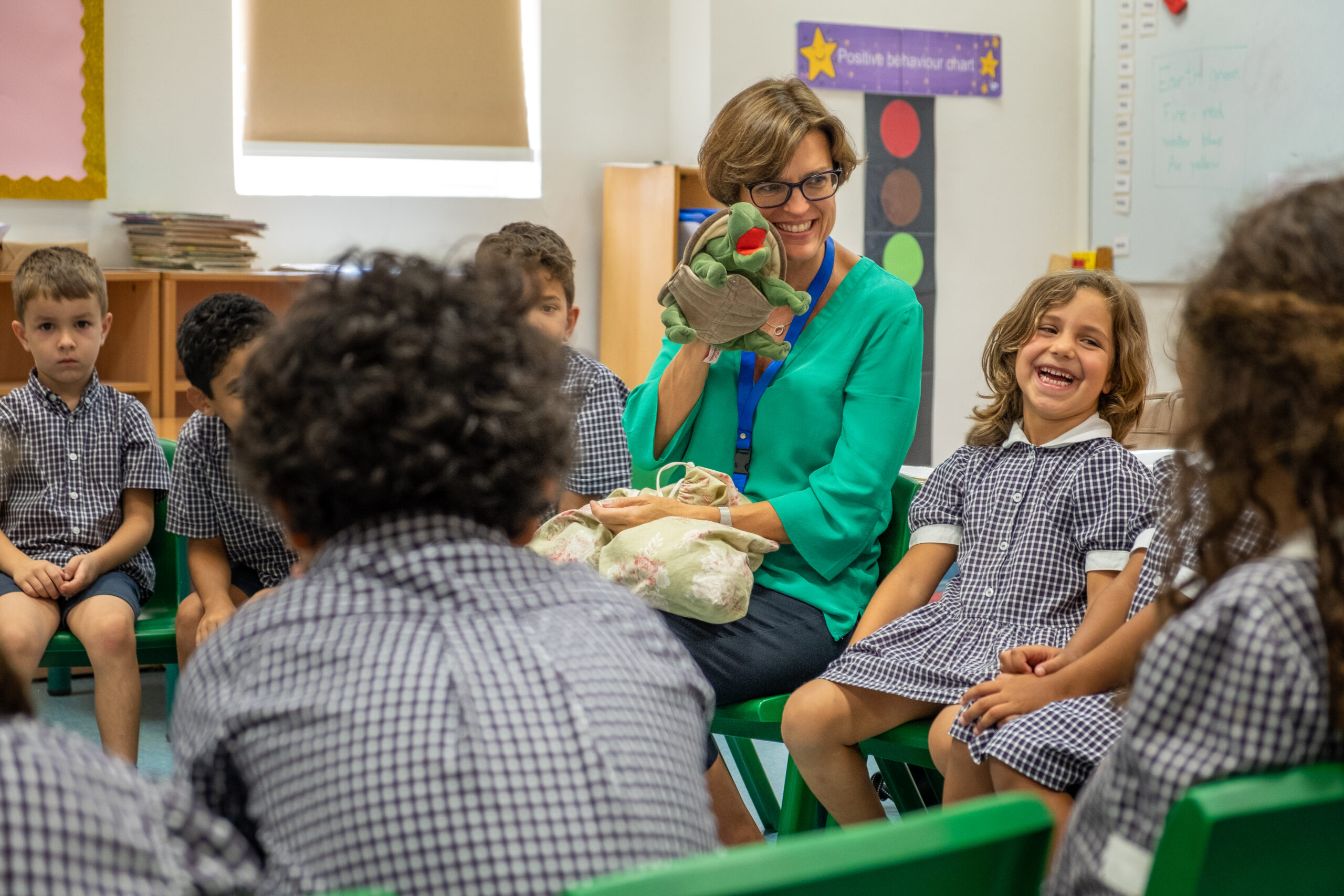
A ‘speaking object’ is used, such as a teddy or wooden egg. This is a symbol of speaking and listening with each person having the opportunity to talk when they are holding the ‘speaking object’ and the others listening to them. Children can say pass.
During the round you have a good opportunity to find out the children’s worries and concerns and the things that are going well at playtime.
Good sentence stems for Rounds are:
- I don’t like it at playtime when…
- I was kind at playtime when…
- I was happy at playtime because…
- My best playtimes are when…
- When I am playing a game and win/loose I feel…
- When my friend is sad/happy at playtime I would…
- A good friend is someone who…
Step 4. Coaching for Communication and Problem Solving –
this is a great time to sort out playtime conflicts and problems and for children to develop conflict resolution skills.
Step 5. Let’s Appreciate and Celebrate
A time for students to genuinely appreciate and value one another. This can be in the form of a self-esteem builder exercise or through children individually appreciating each other.
It is a way of finishing your meeting in a positive way.
The teacher asks if there is anyone they are pleased with because they have been kind/thoughtful/played well with others or have let others join in their games for example. The children then cross the circle and thank the chosen person.
“Thank you for…. “
“You are someone that is….”
“I’m pleased with you because …
Step 6: Ending Activity
Brings a sense of closure to circle time using an active game or a calming, reflective visualisation.
Have you ever had a stream of children coming to you with playtime problems after lunch or playtime?
If so, you need to try the ‘Good News Game’ – A Circle Time Ritual.
Explain to the children before they go out to play that you want to hear all their good news when they come back in, for example, who played with them, who they invited to play their games and who was kind, gentle or helpful. Their focus will then be on thinking about all the good news they can share with you after play!
When they come back into the classroom, sit them in a circle on the carpet and ask who would like to start the ‘good news’ round. That person is then given the ‘speaking object’ and tells the class their good playtime news. The round continues with the ‘speaking object’ being given to the next person, them telling their good tale and completes when everyone has had a turn.
This is an uplifting exercise, and the reverse psychology works a treat!
*You will see that I now call my Circle Time Training, Coaching Circles. This is mainly because I see circle time done as a quick show and tell and mainly as an Early Years and KS1 activity, when we know if has whole school SEMH benefits when done well using the 6 Steps model.
If you’d like to learn more about Coaching Circle Training please look here: https://www.positiveplaytimes.com/coaching-circles/
To see me in conversation with Adele Bates talking about the many benefits of Circle Time/Coaching Circles, watch here:
I have touched briefly on the use of Circle Time in this article and the above video and would love to talk to you further if you are interested in developing this work.
Tel: 0800 311 8991 or 0121 369 1998
Email: adminangel@theresehoyle.com or go to www.theresehoyle.com
Wishing you a play – full week,
Warmly
Therese